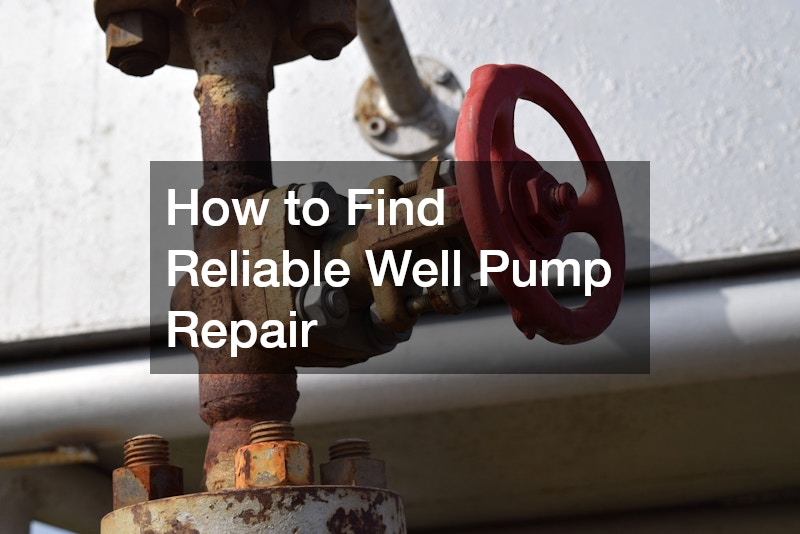
For millions of households, a private well is the lifeblood of the home, providing a self-sufficient supply of fresh water for drinking, cooking, cleaning, and irrigation. At the center of this framework is the well pump, a hardworking piece of machinery engineered to pull water from deep subterranean aquifers and deliver it to your taps under steady pressure.
Because well pumps operate out of sight—either housed within a small well cover or submerged hundreds of feet below the ground—it is easy to forget about them until a failure occurs. Suddenly discovering you have zero water pressure is a stressful household emergency.
When your water supply is compromised, finding a professional experienced in well pump repair is essential to restoring your home’s functionality safely and quickly.
1. Recognize the Red Flags of Well Pump Malfunction
A well pump rarely fails without warning; usually, it exhibits several mechanical symptoms before breaking down completely. Identifying these early indicators allows you to schedule a repair before you are left with completely dry faucets.
-
Sputtering or “Spitting” Faucets: If your faucets pop and blast out pockets of air along with water, it means air has breached your plumbing lines. This often points to a cracked drop pipe inside the well casing or a pump that is dropping below the water table.
-
Fluctuating Water Pressure: If your shower pressure constantly drops and rises, the pump’s electric motor may be losing efficiency, or the pressure tank’s internal bladder may have ruptured.
-
Constant or Frequent Cycling: A healthy well system kicks on when water pressure drops to a set threshold (typically 40 PSI) and shuts off once the tank fills (usually 60 PSI). If the pump continuously turns on and off every few minutes, it is “short-cycling”. This places extreme thermal stress on the motor and causes premature burnout.
2. Verify Trade-Specific Licenses and Electrical Qualifications
Well pump mechanics inhabit a unique crossover space in the home service sector. Repairing a system properly requires an advanced understanding of geological hydrology, plumbing, and high-voltage electrical diagnostics.
Because of this complexity, you should avoid hiring a standard handyman. Check that your contractor holds a dedicated Water Well Contractor License or an advanced plumbing credential issued by your state’s licensing board.
Additionally, request a current Certificate of Insurance (COI) confirming they carry comprehensive general liability insurance and workers’ compensation. Pulling a heavy steel or PVC pipe string out of a deep well shaft involves substantial physical risk; verified insurance ensures you are entirely insulated from liability if an accidental injury or property damage occurs on your job site.
3. Differentiate Between Pump Types and Lifespans
A highly reliable well professional will take the time to evaluate the specific type of system you own rather than pushing for an immediate, expensive replacement.
4. Insist on a Diagnostic Test of the Pressure Tank First
An untrustworthy technician may look at a home with no water pressure and immediately tell the homeowner they need a brand-new $2,500 submersible pump. However, a reliable well service specialist knows that the pump itself is often perfectly fine, and the true culprit is the supporting electrical or storage gear.
The Pressure Tank Rule: Roughly half of all well system failures originate within the pressure tank or the pressure switch, not the pump.
Before allowing a company to pull your pump out of the ground, verify that they have tested the pressure switch contacts for electrical continuity and checked the tank’s internal air bladder charge using a standard pressure gauge. Replacing a stuck $50 pressure switch or a failed control box capacitor is a quick, inexpensive fix that can instantly get your water running again.
5. Seek Advanced Diagnostic Tools and Structural Cleanliness
When dealing with a deep water supply, visual inspection is impossible without specialized technology. Top-tier well pump repair companies utilize down-hole video inspection cameras to visually inspect the condition of your well casing, screens, and drop pipes hundreds of feet below the surface.
Furthermore, pay close attention to their sanitation standards. A reliable company will treat your well as a clean culinary water source. Any time they open the well cap or introduce tools down into the well shaft, they should sanitize the equipment with a food-grade chlorine solution and perform a thorough well chlorination procedure afterward to ensure your domestic water supply remains completely free of harmful bacteria.
Final Thoughts
Your home’s private well system is a vital mechanical investment that directly impacts your family’s daily health and comfort. When the system malfunctions, finding a reliable well pump repair specialist requires prioritizing trade-specific licenses, comprehensive physical diagnostics, and mechanical transparency over the cheapest quick fix. By taking the time to verify credentials and ensuring the technician systematically checks the electrical components and pressure tank before condemning the pump, you protect your home and secure a safe, steady flow of clean water for years to come.