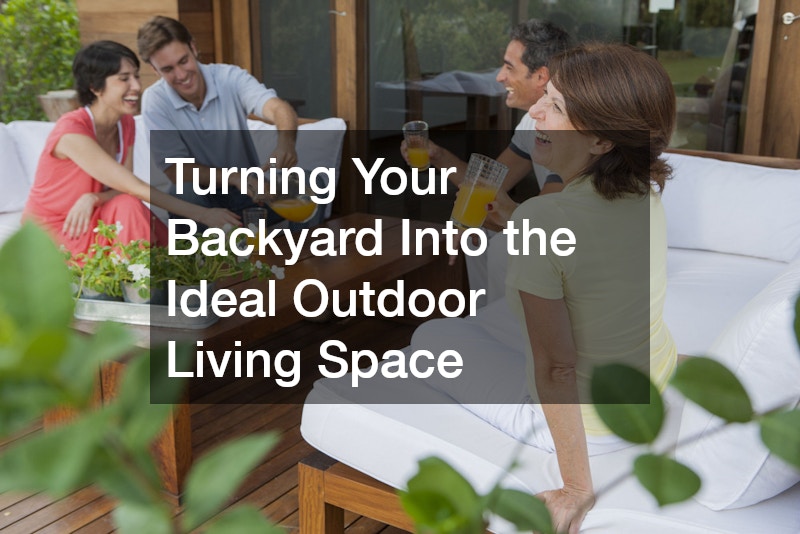
The concept of the backyard has undergone a radical transformation. No longer viewed as just a patch of grass to mow or a vacant plot where the kids kick a ball, the modern backyard is now treated as a seamless, high-value extension of the home’s footprint. When designed intentionally, an outdoor area functions as a custom sanctuary that supports mental well-being, facilitates deep social connection, and offers an immediate escape from the digital noise of daily life.
To successfully execute this transformation, you must approach your backyard with the same design philosophy you would apply to an interior renovation. Exceptional interior design relies heavily on understanding traffic flow, maximizing natural light, creating distinct zones for specific activities, and balancing comfort with durability. Your outdoor space demands nothing less. By treating the open air as a great room without walls, you can map out a floor plan that feels organic, cohesive, and deeply inviting.
Achieving a high-end outdoor living space requires balancing structural hardscaping, lush living elements, environmental climate control, and professional technical execution. When these pillars align, the result is a functional, beautiful ecosystem that elevates your daily lifestyle.
Designing a Solid Foundation for Foot Traffic and Furniture
Every great room requires a spectacular floor, and your outdoor living space is no exception. The foundation of your primary gathering zone sets the tone for the entire yard, dictating how furniture sits, how water drains, and how comfortable guests feel walking barefoot on a hot summer afternoon. When selecting materials for your main patio or terrace, longevity and climate resilience must take precedence over temporary design trends.
Natural materials often provide the most timeless aesthetic and structural integrity. Utilizing premium masonry stone for your main terrace creates an immediate sense of permanence and luxury. Whether you choose flagstone, slate, or bluestone, these materials offer incredible compressive strength and unique natural textures that synthetic alternatives simply cannot replicate. When installing these materials, the preparation of the sub-base is critical. A minimum four-to-six-inch compacted gravel base topped with bedding sand prevents shifting, uneven surfaces, and hazardous trip points during seasonal freeze-and-thaw cycles.
For areas closer to the home, or for utility zones like outdoor kitchens and pool decks, modern synthetic coatings offer an incredibly sleek, low-maintenance alternative. Implementing professional concrete floor coatings over a poured slab can elevate a standard gray surface into a stain-resistant, UV-stable masterpiece. These advanced polyurea or epoxy finishes seal the porous concrete, preventing oil spills, red wine, or harsh pool chemicals from leaving permanent blemishes. Furthermore, they can be customized with anti-slip textures, ensuring that high-traffic walkways remain safe even when wet.
To optimize your layout for comfort and natural traffic flow, consider the following space planning principles:
- Dining Zones: Allocate at least a twelve-by-twelve-foot area for a standard six-person dining table. This provides a minimum of three feet of clearance around the perimeter, allowing guests to pull out chairs comfortably without stepping off the edge of the hardscape.
- Lounge Spaces: For casual seating arrangements featuring sofas or sectional pieces, aim for a clearance of eighteen inches between the edge of the seating and the central coffee table or fire feature to keep movement natural.
- Transition Paths: Keep primary walkways between the indoor back door and the outdoor seating zones at least three to four feet wide to allow two individuals to pass each other comfortably.
Structuring High-End Structural Elements and Boundaries

Once your foundational flooring is established, the next step is defining the vertical planes of your outdoor room. Without walls, an outdoor space can feel unanchored and exposed to neighboring properties. By strategically incorporating vertical structures and deliberate boundaries, you create a psychological sense of enclosure and security, turning an open field into an intimate courtyard.
Executing these large-scale structural changes often requires specialized engineering and heavy equipment. Enlisting the expertise of licensed patio contractors ensures that your retaining walls, multi-level terraces, and integrated seating structures are structurally sound and compliant with local building codes. Professional builders understand how to manage soil pressure, implement proper subsurface drainage pipes, and ensure that water is directed away from your home’s foundation rather than toward it. Their involvement is especially crucial if your yard suffers from severe grading issues or steep slopes that require terracing to unlock usable square footage.
To complement the heavy hardscaping, the perimeter of your property needs an elegant framing system. Installing premium fencing serves multiple roles: it establishes privacy, keeps pets and children safe, and acts as a beautiful backdrop for your plant material. Instead of opting for basic, builder-grade pressure-treated vertical pickets, consider modern design alternatives that elevate your property’s aesthetic:
- Horizontal Slats: Utilizing clear-grade cedar or composite boards arranged horizontally creates a contemporary, expansive feel that visually lengthens the boundaries of your yard.
- Shadowbox Styling: This alternating board design offers complete privacy when viewed straight on, while allowing cooling summer breezes to pass through the panels, reducing wind resistance.
- Mixed Materials: Combining dark matte powder-coated aluminum frames with warm natural wood infill panels bridges the gap between industrial modernism and organic warmth.
Cultivating Living Architecture and Curated Greenery
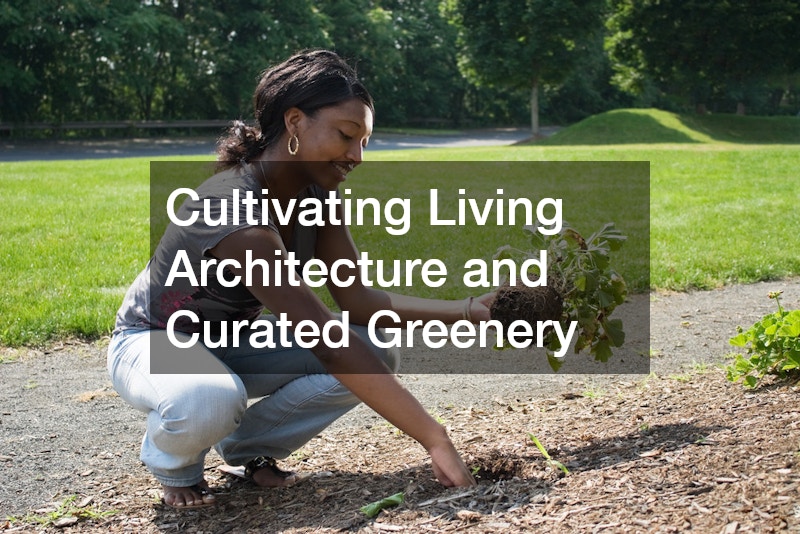
With the hardscape and boundaries firmly in place, the living components of your yard act as the soft upholstery that breathes life, color, and movement into the design. Plants should never be an afterthought or a random collection of items grabbed on a whim; they should be selected and positioned with strict intentionality to serve as living architecture.
To ensure your softscaping thrives for decades, partner with comprehensive landscape services to develop a cohesive botanical master plan. Professional horticulturists assess your yard’s specific soil chemistry, moisture retention, and microclimates before a single hole is dug. They can design a multi-tiered planting strategy that utilizes trees for overhead canopy, mid-sized shrubs for structural mass, and perennials for seasonal color pops. This layered approach ensures your yard retains visual interest even in the dead of winter when deciduous plants shed their leaves.
When sourcing your botanical elements, visiting a well-stocked garden center allows you to personally inspect the health and vigor of your future plants. Look for specimens with balanced branching structures, clean foliage free of pest damage, and root systems that are not heavily root-bound within their nursery containers. When selecting varieties, prioritize native species that have naturally evolved to survive in your specific geographic region. Native plants boast robust root systems that stabilize the soil, require significantly less supplemental watering once established, and provide vital habitats for local pollinators like bees, butterflies, and birds.
Consider incorporating these functional plant categories to enhance your outdoor living room:
- Aromatic Softeners: Plant lavender, rosemary, or jasmine directly adjacent to seating areas. As guests brush past the foliage, the plants release natural essential oils that calm the senses and mask neighborhood noises.
- Living Privacy Screens: Instead of relying solely on hard infrastructure, utilize dense, upright evergreens like arborvitae, clumping bamboo, or holly to create soft, sound-dampening green walls along your property lines.
- Visual Anchor Points: Position single, show-stopping specimen plants—such as a Japanese Maple or a multi-trunk heritage river birch—where they can be viewed directly from your indoor living room windows, drawing the eye outside year-round.
Managing the Canopy: Light, Shade, and Airflow

A beautiful outdoor space is useless if it is too uncomfortable to inhabit. The blistering heat of a mid-July afternoon can quickly drive everyone back indoors unless you have carefully managed the overhead canopy. True comfort requires a calculated balance of structural shade, dynamic airflow, and managed natural sunlight.
To provide instant, reliable relief from intense overhead sun, incorporating a high-quality residential awning over your primary deck or patio change the usability of the space. Modern retractable systems allow you to adapt to changing weather conditions at the touch of a button or via automated wind sensors. During peak heat hours, extending a fabric canopy can lower the ambient temperature underneath by up to fifteen degrees by blocking direct solar radiation. When evening arrives or during overcast days, retracting the system opens up the sky, letting you enjoy the stars or maximize natural light flowing into your home’s interior windows.
While manufactured shade solutions offer immediate control, they should work in tandem with the natural shade provided by mature trees. Managing these large living structures requires precision and care to keep them healthy and safe. Investing in regular tree trimming preserves the structural integrity of your property’s canopy. Removing dead, diseased, or overlapping branches opens up the interior of the tree, allowing heavy storm winds to pass safely through rather than catching the canopy like a sail and risking catastrophic property damage. Furthermore, selective thinning allows dappled sunlight to filter through to the lawn and gardens below, creating a beautiful interplay of light and shadow while preventing mold growth on your hardscapes.
When evaluating your shade and airflow strategy, keep these factors in mind:
- Solar Orientation: Track the sun’s path across your yard. West-facing outdoor spaces receive intense, low-angle afternoon sun, requiring vertical shading solutions like drop-down solar screens in addition to overhead cover.
- Microclimate Creation: Grouping large-leafed deciduous trees on the southern exposure of your patio creates a natural cooling effect through transpiration, where plants release moisture vapor into the air.
- Wind Channels: Position your physical shade structures to capitalize on prevailing summer breezes, creating a natural wind tunnel effect that keeps bugs away and cools the skin without the need for noisy electric fans.
Powering the Ambience: Illumination and Utility

As the sun sets, the magic of a well-designed outdoor living space should truly come alive. Transitioning your yard from a daytime sunroom to an evening lounge requires a sophisticated approach to utility routing, electrical safety, and ongoing turf maintenance. Without these behind-the-scenes systems, your outdoor oasis will quickly fall dark and lose its luster.
Bringing safe, high-voltage power into an outdoor environment is a task that must be handled with extreme technical precision. Hiring certified electricians is paramount for installing ground-fault circuit interrupter outlets, running weather-proof conduit lines beneath your lawn, and setting up dedicated sub-panels to handle heavy electrical loads. An outdoor kitchen might require dedicated circuits for a refrigerator, an ice maker, and high-powered infrared heaters, while a spa or water feature demands specialized grounding systems to guarantee user safety. Furthermore, professionals can establish a centralized, smart-home automated lighting transformer that allows you to control the entire yard’s ambience directly from your smartphone.
While illumination provides visual access at night, the overall beauty of the space during the day still relies heavily on the health of the surrounding turf. To keep the green frame of your hardscape looking like a pristine golf course, engaging professional lawn care services can save you countless hours of frustration. Maintaining a flawless lawn involves far more than just mowing; it requires targeted core aeration to alleviate soil compaction from heavy foot traffic, seasonal overseeding with climate-appropriate seed blends, and a precise fertilization schedule tailored to your soil’s specific nutrient deficiencies. Professional technicians can monitor for early signs of fungal disease or pest infestations, eradicating problems before they ruin your visual landscape.
To create an enchanting evening atmosphere, utilize a layered lighting design strategy:
- Path and Step Lights: Install low-voltage, down-shielded fixtures along walkways and built-in steps. This ensures guest safety by illuminating potential trip hazards while keeping the light source hidden to avoid blinding glare.
- Up-Lighting Architectural Flora: Place subtle well-lights at the base of your most dramatic trees or stone pillars. Shining light upward accentuates bark texture, highlights delicate branch structures, and creates dramatic silhouettes against the night sky.
- Soft Ambient Glow: Introduce warm, dimmable LED string lights or under-cap retaining wall fixtures to wash seating areas in a soft, low-intensity light mimicry of candlelight, encouraging long conversations and deep relaxation.
Transforming a standard backyard into an extraordinary outdoor living space is a profound investment in your property’s overall market value and your daily quality of life. By shifting your mindset to view the outdoors as a multi-functional suite of rooms, you unlock the full potential of your home’s footprint. The secret lies entirely in the details: choosing enduring foundational surfaces, framing the space with beautiful structural boundaries, layering vibrant regional flora, managing the overhead sun, and powering the entire environment with safe, sophisticated utility infrastructure.
While the scope of a complete backyard renovation may seem daunting at first glance, it is entirely feasible to approach the transformation as a multi-stage journey. Developing a comprehensive master plan allows you to execute individual zones or systems as your schedule and budget permit, ensuring that every addition contributes perfectly to a unified final vision. With patience, careful planning, and the assistance of skilled professionals, your backyard can become a personal resort—a place where memories are gathered, stress is dissolved, and the beauty of nature is enjoyed from the absolute height of comfort.