Understanding when it’s time to hire a plumber can save you from costly repairs and damage. Plumbing systems are complex and often require professional attention to ensure they function efficiently. This article will guide you through the top signs that indicate it’s time to bring in a plumbing expert to replace your system.
1. What are the common signs of plumbing system failure?
Recognizing the common signs of plumbing system failure can be critical in preventing severe damage. One of the clearest indicators is persistent dripping faucets or leaks, which can lead to water damage and increased utility bills over time.
Other telltale signs include slow drainage in sinks and tubs, which might point to blockages or severe pipe deterioration. Strange noises such as gurgling or banging from your pipes often signal air in the lines or pipe obstructions. Additionally, unpleasant odors emanating from drains can indicate sewer line issues, which often require professional intervention.
Another common indicator of plumbing system failure is a sudden spike in your water bills despite consistent usage. This increase may mean you have hidden leaks somewhere within the plumbing system. Rusty or discolored water is yet another sign, pointing to potential corrosion in your pipes, which might necessitate replacement. Mold growth on walls or ceilings is a symptom of leaking pipes, as moisture accumulation provides a fertile breeding ground for mold spores. Addressing these signs early on by consulting with a professional plumber can minimize repair costs and prevent further damage.
Early detection of plumbing issues can also prevent structural damage to your home. When water escapes from the piping system, it can weaken and damage the building’s foundation over time. Warped flooring or peeling paint may not immediately scream “plumber,” but they can suggest water damage. In worst-case scenarios, unchecked plumbing problems could result in flooding, which is both disruptive and costly. Being proactive by addressing these visible and subtle signs of plumbing distress can save homeowners from a multitude of headaches.
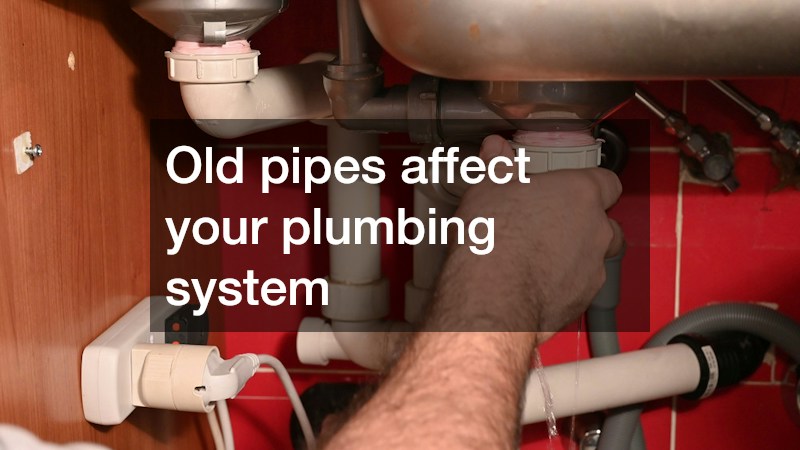
2. How do old pipes affect your plumbing system?
Old pipes can significantly affect the efficiency and safety of your plumbing system. Over the years, pipes can gradually corrode, leading to leaks and water contamination. Corrosion is particularly common in systems using galvanized steel pipes, which may need replacement with more durable materials like copper or PEX. Aged pipes are also prone to developing mineral buildup, restricting water flow and decreasing water pressure. These obstructions not only inconvenience daily activities but can also cause pressure to build up, increasing the risk of pipe bursts.
Another issue with aging pipes is that they are prone to tree root intrusion, which can cause blockages and even structural damage to the piping system. As pipes deteriorate, tree roots are naturally drawn toward the water and nutrients within, infiltrating and cracking the pipes. This issue is particularly prevalent in older homes where modern pipe-laying technologies and materials were not implemented during construction. In such cases, re-piping with more resistant materials could be necessary to preserve the integrity of the plumbing system. Professional plumbers possess the expertise needed to evaluate and address this concern effectively.
Aging pipes may also mean outdated materials that no longer meet current plumbing codes. For example, lead pipes, once commonly used in older constructions, pose significant health risks due to potential lead contamination in drinking water. Replacement of these pipes is crucial not just for the system’s functionality but also for the health and safety of the home’s occupants. Furthermore, updated plumbing can enhance the property value, making it a more attractive option for prospective buyers. Investing in new pipes can therefore be both a safety measure and an economic benefit.
3. When should you replace your water heater?
Determining the optimal time to replace your water heater can save you from unexpected cold showers and higher energy bills. A typical water heater’s lifespan ranges between 8 to 12 years. If yours is operating beyond this timeframe, it might be due for replacement to ensure continued efficiency. One early sign of trouble is inconsistent water temperature, which can disrupt regular household activities. Additionally, strange sounds such as rumbling or popping noises may indicate sediment build-up and reduced efficiency in the water heater.
Water discoloration, particularly rusty or muddy water, is another warning sign of a failing water heater. This discoloration often stems from corrosion within the tank, which can eventually lead to leaks if not addressed. Spotting leaks around the unit is definitely alarming and suggests that the internal structure may be compromised. This is more common in older units that have experienced wear and tear over the years. Consulting a plumber to either repair or replace the water heater can avoid bigger, costlier complications down the line.
Energy consumption is another aspect where an old water heater can falter, as efficiency typically declines with age. An aging unit may take longer to heat water or fail to reach appropriate temperatures, leading to increased energy usage and higher bills. Upgrading to a newer, more energy-efficient model can significantly reduce these costs while improving service reliability. Modern water heaters come with advanced features and better insulation, making them more eco-friendly and cost-effective. Timely replacement ensures a steady hot water supply and enhances energy efficiency in the long run.
4. Why is water pressure consistency important?
Consistent water pressure is vital for the everyday functionality and comfort of household activities. It ensures that appliances and fixtures, such as dishwashers and showers, operate efficiently. Fluctuating water pressure can be frustrating, leading to poorly functioning appliances and discomfort. Low water pressure might point to clogged pipes, leaks, or air pockets, while excessively high pressure can cause accelerated wear and tear. Addressing water pressure issues promptly prevents these inconveniences from escalating into significant plumbing failures.
Inconsistent water pressure can also lead to increased energy consumption, as appliances like water heaters and washing machines work harder to compensate for inadequate flow. This can result in higher utility bills and decreased efficiency over time. Moreover, fluctuating pressure can strain the plumbing system, increasing the likelihood of leaks and damaged joints. Professional assessment and calibration by a plumber can ensure pressure regulators and pipes are functioning optimally. Maintaining consistent water pressure safeguards the integrity of both your plumbing system and the appliances connected to it.
Beyond immediate functionality, reliable water pressure contributes to the long-term health of your plumbing infrastructure. High-pressure situations may eventually lead to burst pipes, causing water damage and costly repairs. Pressure imbalances can also damage the internal components of your piping system, necessitating premature replacements. Routine checks and proper maintenance by a qualified plumber help in detecting and rectifying these issues early. Addressing water pressure irregularities can thus extend the lifespan of your pipes and appliances, preserving your home’s value and efficiency.
5. What are the benefits of hiring a professional plumber?
Engaging a professional plumber offers numerous advantages, from expert repairs to the assurance of quality service. Firstly, professional plumbers possess in-depth knowledge and skillsets acquired through rigorous training and experience. They are equipped to handle diverse plumbing challenges, ensuring precise diagnostics and effective solutions. Hiring a skilled plumber minimizes the risk of improper installations or repairs, which could lead to further issues or water damage. Professionals also provide warranties on their work, giving homeowners peace of mind regarding future repairs.
Secondly, professional plumbers have access to the latest tools and techniques, enabling them to efficiently tackle complex plumbing issues. This access allows them to perform thorough inspections, accurately identify hidden problems, and implement timely solutions. DIY plumbing attempts often lack these advanced tools and techniques, leading to incomplete or temporary fixes. By investing in a professional, you ensure that your plumbing system is treated with the most effective and up-to-date methodologies. Trusting an expert ensures your system is maintained for optimal performance and durability.
Lastly, hiring a professional plumber can save you time and money in the long run. While it might seem cost-effective to attempt repairs yourself, inadequate solutions can worsen the situation, resulting in higher repair costs later. Professionals provide prompt and reliable services, resolving issues swiftly and effectively, minimizing downtime to your daily routine. Their preventive maintenance services help in detecting and addressing problems before they escalate. Choosing a professional plumber enriches your home’s safety, efficiency, and value, providing lasting benefits and peace of mind.
Recognizing the signs that it’s time to replace your plumbing system is crucial. Hiring a professional plumber not only ensures these issues are resolved effectively but also prevents future complications. Taking early action can result in a more efficient, safer, and cost-effective plumbing system for your home.