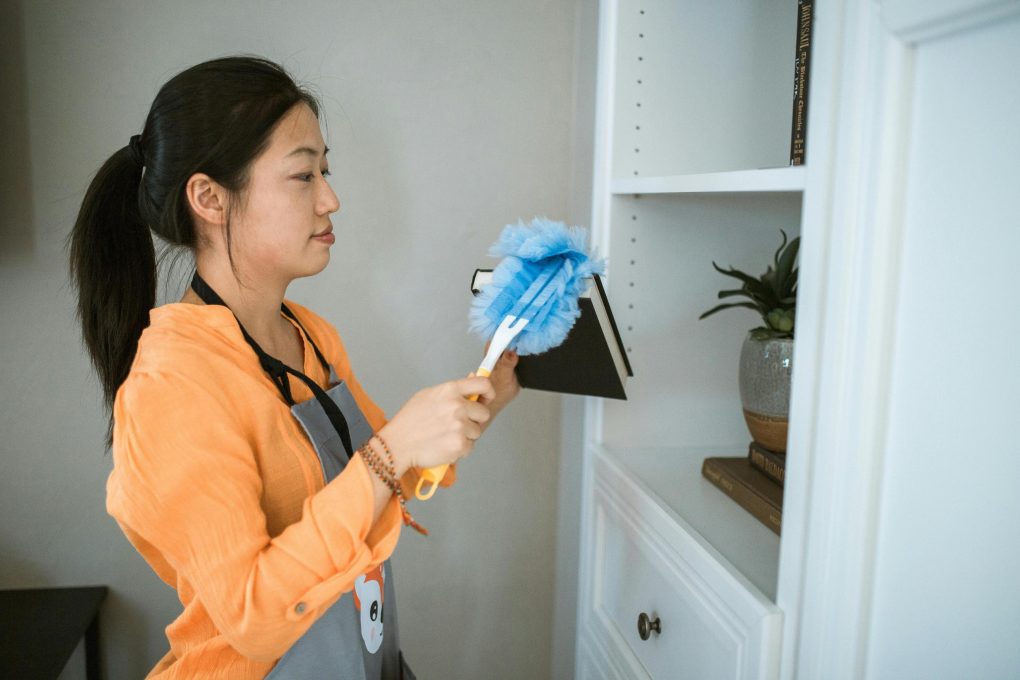
Dust is one of those things that seems to appear out of nowhere. You can spend an entire Saturday cleaning every inch of your home, and by Monday morning, a thin gray film has already returned to your television screen and coffee table. It is one of the most constant battles of homeownership. In the world of home improvement, managing dust isn’t just about making your house look tidy for guests. It is about protecting your health, your electronics, and the surfaces of your home.
If you have ever stood in your living room with a microfiber cloth in your hand and wondered, “how often should you dust your house?” You are asking a great question. The answer depends on your lifestyle, your health, and the difference between a quick “surface wipe” and a “deep clean.” Understanding these two methods will help you build a routine that keeps your home sparkling without making you feel like a full-time janitor.
What Exactly Is Dust?
Before we can fight it, we need to know what we are dealing with. Dust is a mixture of many different things. It includes tiny bits of dead skin cells, pet dander, lint from clothes and furniture, pollen brought in from outside, and even microscopic pieces of plastic or soil.
In a home improvement context, dust is more than just a nuisance. It is abrasive. Like tiny grains of sandpaper, dust can scratch the finish on your hardwood floors and fine wood furniture. It can also clog the cooling fans in your computers and gaming consoles, causing them to overheat and break. This is why a regular dusting schedule is a form of “preventative maintenance” for your home assets.
The Surface Wipe: Your Weekly Maintenance
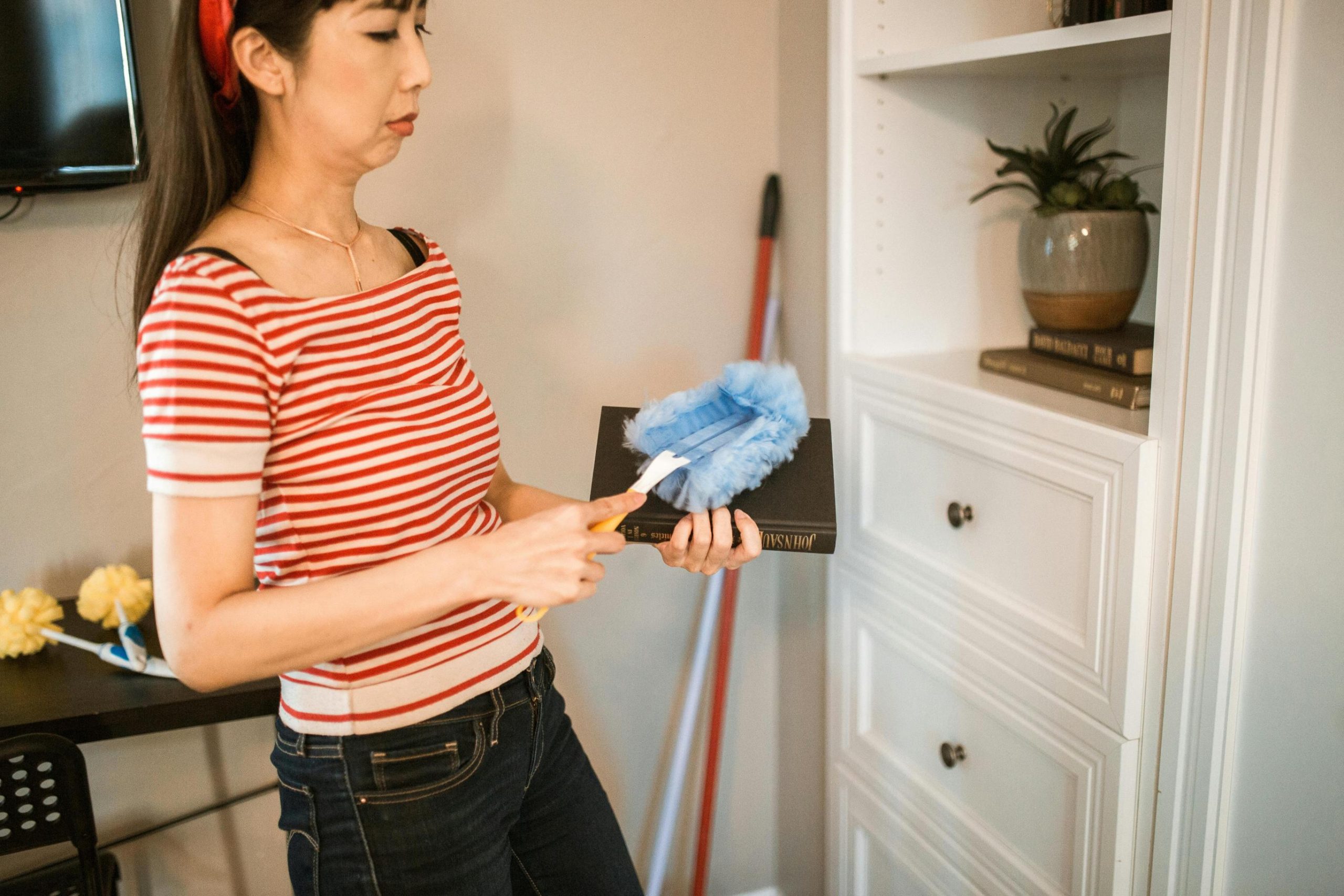
A surface wipe is exactly what it sounds like. It is a quick pass over the areas you see and use every day. This is the type of dusting that keeps the “gray film” at bay and keeps your home looking fresh.
- Where to focus: You should target flat surfaces that are at eye level. This includes coffee tables, nightstands, the tops of dresser drawers, and kitchen counters.
- The tools: A high-quality microfiber cloth or a damp (not soaking wet) cloth is best. Microfiber is a miracle of home improvement because the tiny fibers are shaped like hooks that grab and hold onto dust rather than just pushing it into the air.
- How often: For most homes, a surface wipe should happen once a week. If you have pets that shed a lot or if you live in a dry, windy area, you might need to do a surface wipe every two or three days.
The goal of the surface wipe is to prevent dust from “settling in.” When dust sits for too long, it can combine with the moisture in the air to create a sticky layer that is much harder to remove later.
The Deep Clean: Reaching the Hidden Spots
While a surface wipe keeps things looking good, it doesn’t solve the “dust problem.” To truly keep your home clean, you need to perform a deep clean. This involves reaching the places that are usually “out of sight, out of mind.”
- Where to focus: During a deep clean, you need to look up and look down. This includes ceiling fan blades, the tops of door frames, baseboards, window blinds, and the backs of electronic equipment. It also includes moving light furniture to get to the dust bunnies hiding underneath.
- The tools: You will need a vacuum with a brush attachment, a long-handled duster for high places, and perhaps some specialized cleaners for wood or glass.
- How often: A deep clean should happen once a month.
If you skip the deep clean, the dust in these hidden areas will eventually be stirred up by your air conditioner or by people walking through the room. This “hidden dust” will then settle right back onto your coffee table, making your weekly surface wipe feel like a waste of time.
Why Your Home’s Layout Matters
When deciding how often should you dust your house, you have to look at the specific “high-risk” areas in your home. Every house has “dust magnets” that need extra attention.
The Electronics Zone
Computers, televisions, and game consoles use fans to stay cool. These fans suck in air, and along with that air comes dust. Because these devices stay warm, the dust can actually “bake” onto the internal parts. You should give your electronics a surface wipe twice a week and use compressed air to blow out the vents once a month.
The “Soft” Surfaces
Carpets, curtains, and upholstered sofas are the biggest producers of dust in the home. Every time you sit on a fabric couch, tiny fibers break off and float into the air. If you have a lot of fabric in your home, you will find yourself needing to dust your hard surfaces much more often. Using a vacuum with a HEPA filter on your fabric surfaces once a week will significantly reduce the amount of dust that ends up on your tables.
In fact, when people ask how often should you vacuum, the answer is closely tied to their dusting schedule. If you vacuum your carpets at least twice a week, you remove the “reservoir” of dust that eventually floats up to settle on your furniture. Keeping your soft surfaces clean is the best way to ensure your hard surfaces stay dust-free for longer.
The Entryways
Every time you open your front door, you are letting in a “pollen and soil” party. If you have a busy household with kids and pets running in and out, your entryway will need a surface wipe almost daily to keep the rest of the house from getting dusty.
5 Tips to Reduce the Need for Dusting
If you feel like you are dusting too much, the problem might not be your technique—it might be your home’s environment. Here are a few home improvement tips to reduce the amount of dust in the air.
- Change Your HVAC Filters: Your heating and cooling system is the “lungs” of your home. If your filter is old and clogged, it is just blowing dust from room to room. Change your filters every 90 days, or every 30 days if you have pets.
- Use an Air Purifier: A high-quality air purifier with a HEPA filter can capture a huge percentage of floating dust before it ever has a chance to land on your furniture.
- Keep Windows Closed: While a “cross-breeze” is nice, open windows let in an incredible amount of outdoor dust and soot. If it is a windy day, keep the windows shut.
- Groom Pets Regularly: Brushing your dog or cat outside prevents their loose fur and dander from ending up in your carpet.
- Ditch the Feather Duster: Traditional feather dusters are actually quite bad for your home. They don’t capture dust; they just flick it into the air where it floats for a few minutes before landing right back where it started. Always use microfiber or a vacuum.
The “Top-Down” Rule of Dusting
Regardless of whether you are doing a surface wipe or a deep clean, you must follow the “top-down” rule. Dust is subject to gravity. If you dust your coffee table first and then clean your ceiling fan, the dust from the fan will fall onto your clean table.
Always start with the highest points in the room. Dust the crown molding, then the tops of the picture frames, then the tables, and finally, finish by vacuuming the floor. This ensures that any dust you stir up during the process is eventually captured by your vacuum at the very end.
Health and Comfort: The Real Reason to Dust

Beyond protecting your furniture, knowing how often should you dust your house is vital for your health. Dust mites are tiny creatures that live in house dust and eat dead skin cells. They are one of the most common causes of indoor allergies and asthma.
If you find that you wake up with a stuffy nose, itchy eyes, or a cough, it might be because the dust levels in your bedroom are too high. Focusing on a deep clean in the bedroom—including washing your curtains and vacuuming under the bed—can lead to a much better night’s sleep.
Conclusion
Dusting is an essential part of keeping an organized and healthy home. While it might seem like a chore that never ends, having a plan makes it much easier. Remember the “once a week” rule for your surface wipes to keep things looking tidy, and the “once a month” rule for your deep cleans to remove the hidden buildup.
By understanding the difference between these two levels of cleaning, you can protect your home improvement investments and breathe easier. Don’t let the gray film win! Grab a microfiber cloth, follow the top-down rule, and enjoy the feeling of a truly clean home.