Understanding the essential signs that indicate you need HVAC repair can save you both time and money. Your HVAC system is a crucial component of your home, ensuring comfort and proper air quality throughout the year. Ignoring the signs of wear and tear can lead to costly repairs or replacements.
Knowing what to watch for can help you address problems before they worsen. This article explores the top signs to watch out for and provides detailed explanations to help you maintain your HVAC system effectively.
1. Why is My HVAC System Not Heating or Cooling Properly?
When your HVAC system fails to heat or cool your home adequately, it can be due to several underlying issues. A common cause is a dirty or clogged filter, which restricts airflow and reduces efficiency. Regular maintenance, including replacing or cleaning filters, can often resolve this issue. Additionally, thermostat malfunctions can result in incorrect temperature readings, affecting your system’s performance. Dirt and debris, or even technical malfunctions, might mean that the system’s sensors are not operating correctly, leading to improper temperature regulation.
Another reason your HVAC may struggle with temperature control is a refrigerant leak. Refrigerant is responsible for absorbing and releasing heat within your system, so a leak can significantly impact its ability to cool. Identifying leaks involves carefully examining the system since they can often be hard to detect without professional help. If left unattended, low refrigerant levels can cause the compressor to overheat, leading to more severe mechanical issues. Ensuring routine checks can help catch leaks early and maintain effective cooling performance.
Improper heating or cooling can sometimes be attributed to electrical issues. Faulty wiring or a malfunctioning circuit can disrupt your HVAC system’s power supply. This can affect both temperature control and safety, posing potential fire risks. It is crucial to have a professional electrician assess any suspected electrical issues promptly. Proper electrical maintenance not only protects your system but also extends its longevity and improves overall safety.
2. What do Unusual Noises in My HVAC System Mean?
Unusual noises coming from your HVAC system are often an early indicator of internal problems. Grinding or squealing noises might suggest issues with the system’s motor bearings. When these components wear out, they can make loud, unsettling sounds, and a timely replacement or lubrication can prevent further damage. Other sounds, like rattling or banging, may indicate loose parts within the unit. Tightening bolts and screws during routine maintenance can often resolve these problems.
Aside from mechanical noises, hissing sounds may point to air leaks or refrigerant leaks. Air leaks often occur in ductwork and can lead to increased energy bills and decreased airflow efficiency. Addressing these leak points can improve your system’s efficiency and comfort levels within your home. On the other hand, discovering refrigerant leaks typically requires professional assistance due to environmental regulations surrounding refrigerant handling. Identifying and fixing the leaks promptly can prevent more significant issues in the future.
Clicking sounds during start-up or shutdown might be related to electrical control issues. Relay switches, which control the flow of electricity, can make clicking noises if they become worn or faulty. This may eventually lead to startup failures or inconsistent operation. Replacing faulty components can often resolve these issues. It’s crucial to monitor these sounds closely, as they can be early warning signs of more serious electrical problems that need professional evaluation.
3. Why is There a Strange Odor Coming from the Vents?
Strange odors emanating from HVAC vents can be a cause for concern and may indicate various issues. A musty or moldy smell is often associated with moisture buildup in the ductwork. This can happen if there is inadequate drainage or high humidity levels, promoting mold growth. Proper duct maintenance and ensuring that the system is properly dehumidifying the air can help prevent this issue. Mold not only affects air quality but can also lead to health problems if not addressed promptly.
Burning smells coming from the vents usually suggest electrical issues or dust accumulation. Overheating components can emit a burning odor that shouldn’t be ignored, as it may indicate a fire hazard. Dust burning off on the system’s heating components after a long period of inactivity can also cause a temporary odor. However, if the smell persists, it’s advisable to shut down the system and request a professional inspection. Regular cleaning and maintenance can mitigate these odors and enhance system safety.
Sulfur or rotten egg smells typically mean a gas leak, requiring immediate attention due to the potential for danger. In such cases, it’s crucial to evacuate the home and contact local authorities or a gas company to check for leaks. Natural gas is odorless, and this scent is added as a safety measure to detect leaks early. Regular inspections and ensuring all fittings and connections are secure can help prevent gas leaks. Taking these odors seriously can protect your family and property.
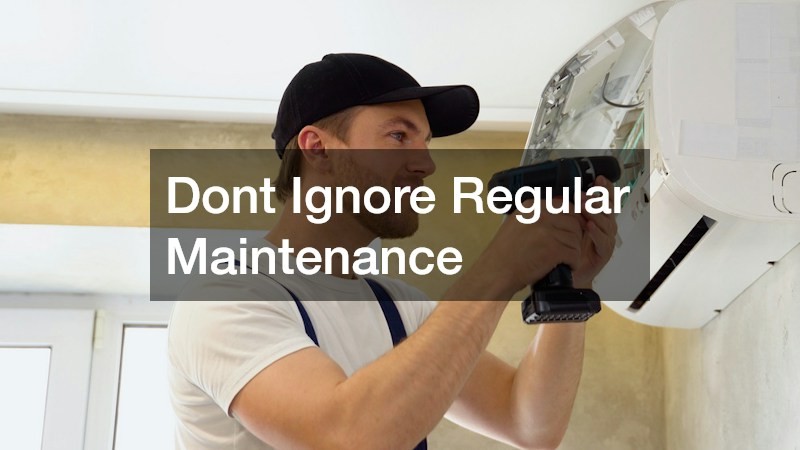
4. How Can Ignoring Regular Maintenance Affect My HVAC System?
Regular maintenance is essential to keeping an HVAC system running efficiently and extending its lifespan. Ignoring routine tasks, such as cleaning and component inspections, can lead to a gradual decline in system performance. Accumulated dust, debris, and worn parts can hinder airflow and strain the system. This often results in higher energy consumption and increased utility bills. Maintenance checks can identify budding issues, ensuring optimal performance and preventing costly, extensive repairs.
Lack of maintenance can also contribute to significant mechanical failures. Components such as belts, filters, and fans can wear down over time and require periodic inspection and replacement. Failing to address these routine needs might result in malfunctions, increasing repair costs or necessitating premature system replacement. Regular inspections and maintenance help in catching these issues early. Ultimately, the costs and inconvenience of unexpected breakdowns can far outweigh the benefits of consistent maintenance.
Besides functional problems, neglecting HVAC maintenance can impact indoor air quality. Filters trap dust, pollen, and other pollutants, contributing to healthy air inside your home. When they become clogged, their efficiency is compromised, potentially circulating allergens and contaminants. Scheduling regular filter replacements can maintain air quality and system efficiency. In homes with allergy sufferers or pets, this is particularly important for maintaining a healthy living environment.
5. What Should I Do If the HVAC System Won’t Turn On?
When your HVAC system won’t turn on, it can be frustrating and worrying. The first step should always be checking the thermostat settings to ensure it’s in the right mode and set to a temperature that requires action. Batteries may need replacement, or the system could be subject to a simple power outage that requires resetting the breakers. Making sure all power switches are in the ‘on’ position is critical for troubleshooting these types of issues. Professional intervention should be considered if these steps fail to resolve the problem.
Power supply issues form a significant part of non-functioning HVAC systems. Sometimes, the problem could be as straightforward as a tripped circuit breaker or a blown fuse. Ensuring breakers are properly set and that there is no damage to the electrical input is important. Checking for proper connection can occasionally solve these non-operational issues. For issues beyond a tripped breaker, like repeated electrical short circuits, calling a qualified technician is necessary.
If your HVAC system continues to have issues turning on, it could be a sign of a deeper mechanical or electrical problem. Components like the transformer, relay, or thermostat wiring might be faulty. Without the proper tools or training, it’s difficult to diagnose and fix these intricate problems. A trained HVAC technician can diagnose and correct these issues, ensuring safe and efficient operation. Ensuring regular maintenance and professional inspections can prevent these headaches.
Regular maintenance and timely recognition of potential HVAC issues are key to ensuring optimal performance and prolonging the life of your system. Being aware of unusual sounds, smells, and inefficient temperature control can flag problems early, facilitating quick repairs. By incorporating regular checks and addressing problems as soon as they arise, homeowners can save on future repair costs and ensure a comfortable living environment year-round. Prioritizing HVAC upkeep not only enhances system reliability but also contributes to improved indoor air quality and energy efficiency. Ignoring these vital maintenance steps can lead to more complex problems, underlining the importance of consumer vigilance and professional support.