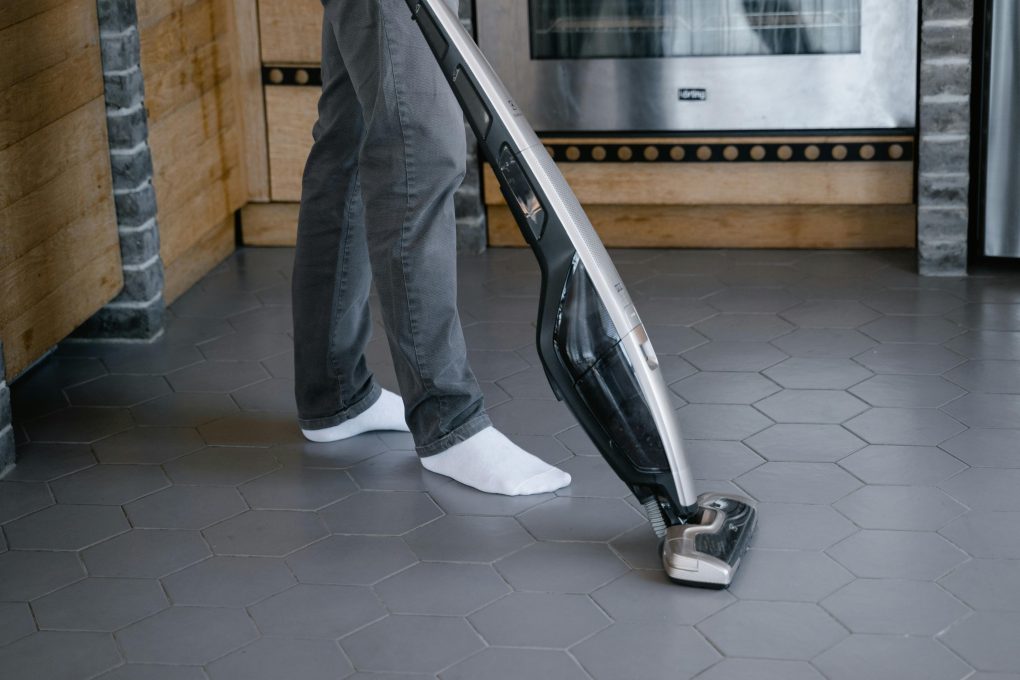
For most homeowners, vacuuming feels like one of those chores that never truly ends. You finish the living room, and by the next day, you see a stray piece of lint or a clump of pet hair mocking you from the corner. It is easy to push this task to the bottom of your “to-do” list, especially when life gets busy. You might think, “It doesn’t look that dirty, I can wait another week.”
However, vacuuming is about much more than just making your floors look nice. In the world of home improvement, vacuuming is actually a form of preventative maintenance. Just like you change the oil in your car to keep the engine running, you vacuum your floors to keep your home healthy and your expensive carpets in good shape.
If you wait until you can see the dirt with your naked eye, you have already waited too long. In this guide, we will look at the five warning signs that you are falling behind on your floor care. We will also answer the big question: how often should you vacuum to keep your home in peak condition?
The Hidden Danger of “Invisible” Dirt
Before we dive into the signs, we need to talk about what is actually hiding in your floor. Most of the debris that damages your home is invisible. This includes tiny grains of sand, skin cells, dust mite droppings, and pollen.
When these tiny particles settle into the fibers of your carpet, they act like little pieces of glass. Every time you walk across the room, your weight presses these sharp particles against the carpet fibers. This “grinds” the carpet, cutting the threads and causing the rug to look worn out and dull. This is why high-traffic areas often look “crushed” or faded. It isn’t just feet stepping on them; it’s the dirt inside them.
1. You Experience Frequent Sneezing or Allergy Flare-ups

The first and most important sign that you aren’t vacuuming enough is a change in your health. Your carpet and rugs act like a giant air filter for your home. They trap dust, dander, and allergens that float through the air. If the “filter” is full, it can no longer hold onto these particles.
- The Dust Kick-Back: Every time you walk across a dirty carpet, you kick a small cloud of dust back up into the breathing zone. If you notice that you start sneezing as soon as you sit on the rug or that your eyes feel itchy after playing with the kids on the floor, your vacuuming schedule is likely to blame.
- Pet Dander Buildup: If you have dogs or cats, their dander (dead skin) is a major allergen. Even if you don’t see hair, the dander is there.
- The Solution: If you are asking how often should you vacuum for allergy relief, the answer is more frequent than you think. You need to clear that “filter” before it overflows.
2. There is a “Musty” or “Stale” Odor in the Room
Have you ever walked into your house after being away for a few hours and noticed a smell that you can’t quite place? It isn’t rotting food, and it isn’t the trash. It’s just a heavy, stale scent.
Carpets are incredibly good at absorbing odors. The dirt that settles into the bottom of the carpet isn’t just dry dust; it often contains organic matter. Over time, this matter begins to break down. Moisture in the air can mix with this deep-seated dirt, creating a breeding ground for bacteria and mold.
- The “Old Carpet” Smell: This isn’t just a sign of an old house; it’s a sign of trapped debris.
- The Professional Fix: While air fresheners might hide the smell for an hour, they won’t fix the problem. Regular vacuuming removes the source of the odor before it has a chance to sink in and stay.
3. You Notice “Dust Bunnies” Under the Furniture
We have all seen them—those little grey clumps of hair and lint that roll across the floor like tumbleweeds. If you see dust bunnies in the open, it means the hidden areas of your home are overflowing with dust.
Dust tends to accumulate along baseboards and under couches because there is less foot traffic to stir it up. However, these areas act as a “nursery” for dust mites and even small insects like carpet beetles.
- The Indicator: If you see dust bunnies on your hardwood or tile floors, it is a sign that the overall dust level in your home is too high. Hard floors don’t trap dust like carpets do, so the debris moves around freely.
- Precision Vacuuming: This sign tells you that you aren’t just missing the frequency; you might be missing the corners. An organized home requires “edge-to-edge” cleaning, not just hitting the middle of the room.
4. Your Carpets Look “Matted” or Feel Crunchy
Take a close look at the areas in front of your favorite chair or at the bottom of the stairs. Does the carpet look flat and lifeless? Does it feel slightly stiff or “crunchy” when you walk on it with bare feet?
This happens when dirt and oils build up on the fibers. Natural oils from your skin and the paws of your pets act like glue. They grab onto dust and hold it tight against the carpet yarn. Once this happens, the carpet fibers can no longer “bounce back” when stepped on.
- The Damage: Once a carpet is matted down with dirt, it is very difficult to restore. No amount of professional cleaning can fix fibers that have been physically damaged by grit.
- Prevention: Regular vacuuming prevents this “gluing” process from happening. It keeps the fibers loose and free to move.
5. You Can “See” the Dust When the Sun Hits
We have all had that moment where a beam of sunlight shines through the window and reveals thousands of tiny dancing particles in the air. While some of that is normal, an excessive amount of floating dust is a sign that your floors are saturated.
When you walk, sit, or even just move nearby, you are creating tiny air currents. If your floors are clean, these currents don’t pick much up. If your floors are dirty, you are constantly recirculating old skin cells and outdoor pollutants.
- The Filter Test: Check your vacuum’s HEPA filter. If it is turning black or grey very quickly, it shows how much of this “floating” debris it is trying to catch.
- How Often Should You Vacuum? If you can see the dust in the air, you should be vacuuming the floors at least every other day until the air clears.
So, How Often Should You Vacuum? (The New Rules)
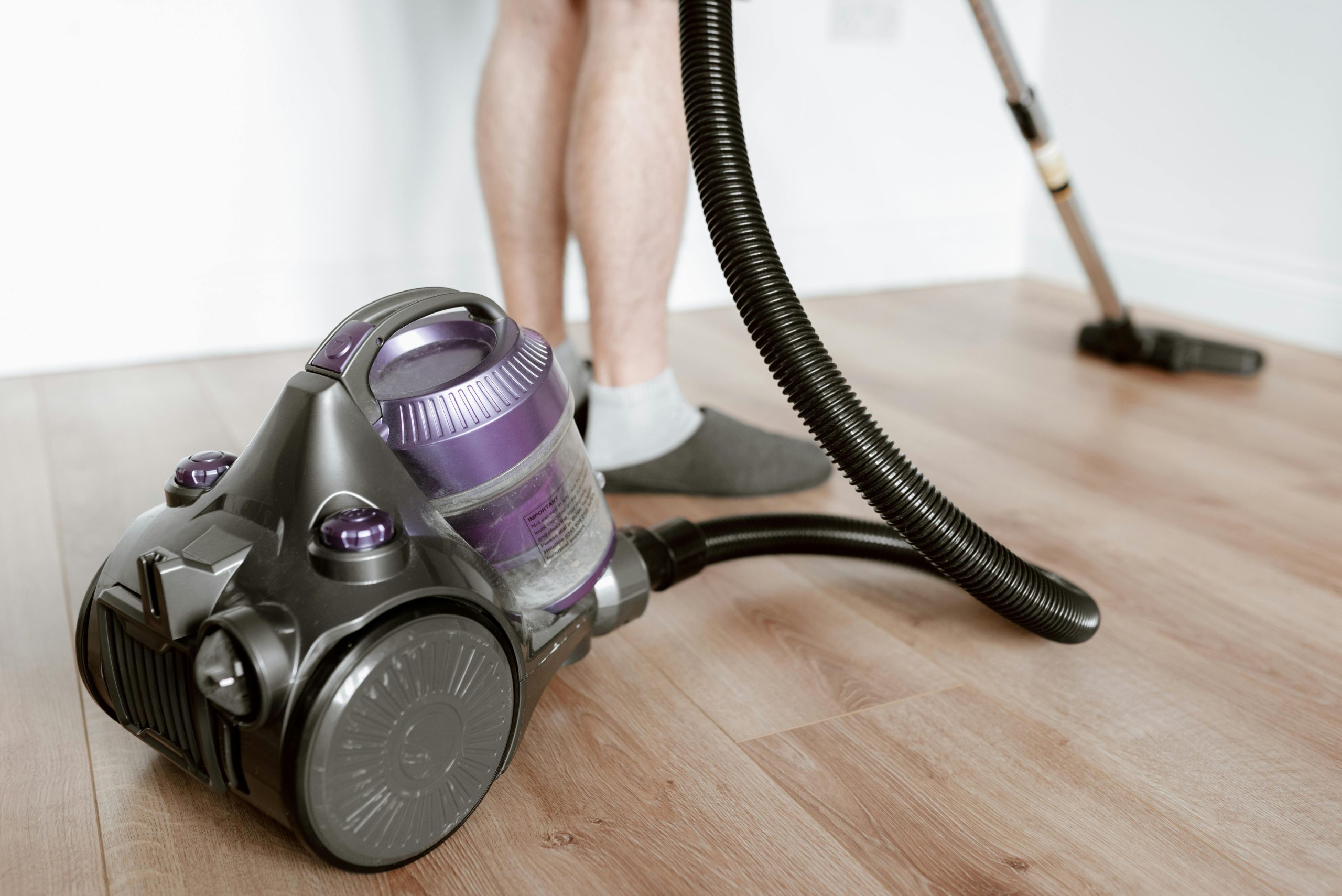
Now that we know the signs of neglect, let’s talk about the solution. The old rule of “vacuum once a week” is actually outdated for most modern homes. To keep your home healthy and your investment protected, you need a tiered approach.
For High-Traffic Areas: Daily to 3 Times a Week
Areas like the entryway, the kitchen, and the main hallway take the most abuse. You bring in salt and sand from outside, and food crumbs drop in the kitchen.
- Why: These particles are the “glass shards” mentioned earlier. Leaving them for a full week allows them to do a massive amount of damage to your flooring.
- Tip: Keep a lightweight stick vacuum or a “dust buster” near these areas for quick 2nd-minute cleanups.
For Households with Pets: Every Single Day
If you have a furry friend, you aren’t just cleaning for aesthetics; you are cleaning for air quality. Pets shed hair, but they also bring in pollen and dirt from outside on their fur.
- The Reality: A dog can drop enough hair and dander in 24 hours to completely fill the “safe” capacity of a carpet.
- The Solution: Many organized homeowners now use a robot vacuum to handle the daily “pet pass” and then do a deep manual vacuum twice a week.
For Bedrooms and Low-Traffic Areas: Once a Week
Rooms that you only use for sleeping or that don’t get much “shoe traffic” can usually wait for a weekly cleaning.
- The Focus: In bedrooms, focus on vacuuming under the bed. This is where the most dust accumulates, which can interfere with your sleep quality and respiratory health.
Why “How You Vacuum” Matters Just as Much
If you are following the right schedule but still seeing the 5 signs, you might not be vacuuming effectively. To truly clean an organized home, you have to follow a few professional rules:
- Slow Down: Most people “push” the vacuum too fast. The vacuum needs time for the brush bar to agitate the carpet and for the suction to pull the dirt from the bottom of the pile. Slow, steady strokes are much more effective.
- Overlap Your Passes: Think of your floor like a lawn. You should overlap each pass by about 50%. This ensures that no “stripes” of dirt are left behind.
- Empty the Bin Early: Don’t wait until the vacuum bag or bin is 100% full. Most vacuums lose suction power once they are half-full. Emptying it more often makes the machine work better and last longer.
- Check the Height: If your vacuum has a height adjustment, make sure it is set correctly for your floor type. If it is too high, it won’t pick up anything. If it is too low, it can actually damage your carpet or the vacuum motor.
Conclusion
Vacuuming is the foundation of a clean and organized home. It affects how your house smells, how long your floors last, and even how well you breathe. If you have noticed any of the five signs—sneezing, odors, dust bunnies, matted carpets, or visible dust—don’t feel bad. It is simply your home’s way of telling you that it needs a little more attention.
By shifting your mindset from “vacuuming is a weekend chore” to “vacuuming is home maintenance,” you can keep your space looking new for years to come. Remember the new rules: hit the high-traffic spots a few times a week, and give the rest of the house a deep clean once a week. Your carpets (and your nose) will thank you!