
When autumn leaves give way to frost-dusted mornings, family life naturally turns inward. Children trade bicycles and sidewalks for cozy living room blankets, board games, and weekend baking. During these chilly months, our homes become much more than shelters from freezing weather; they serve as protective sanctuaries where our children sleep, play, learn, and grow. For parents who take genuine pride in maintaining a safe, comfortable, and beautifully ordered home, preparing for winter is not merely a seasonal checklist. It is an intentional act of care that shields our loved ones from harsh weather, prevents disruptive structural emergencies, and ensures everyday peace of mind.
Cold weather places severe mechanical and structural stress on every residential property. Sub-zero temperatures, heavy snow, gusting winds, and lingering moisture test building envelopes and heating systems alike. At the same time, winter forces families to seal windows tightly and run heating units continuously, making indoor air quality, thermal consistency, and fire safety urgent priorities. A freezing draft in a nursery or a hidden leak above a child’s bedroom is not just an inconvenience—it can undermine the physical well-being of the entire household.
Safeguarding a home for the coldest months requires a balanced, structured approach. By addressing exterior defense systems, calibrating climate controls, childproofing against hazards, and organizing active drop zones, parents can establish a warm, resilient environment. This comprehensive guide outlines the steps needed to evaluate, protect, and optimize your home, keeping everyone comfortable, secure, and thriving all winter long.
Fortify Overhead Barriers to Stop Dangerous Water Intrusion

The roof of your home serves as the primary shield protecting your family from severe winter storms. Long before the first heavy snowfall arrives, parents should conduct an exterior inspection from ground level using binoculars. Pay close attention to vulnerable transition points across the roofline, such as metal flashing around chimneys, dormers, and exhaust vents, as well as shingles along valleys. Deteriorating shingles, curled edges, and cracked seals allow melting snow to penetrate attic spaces, leading to saturated drywall and indoor mold growth directly over children’s bedrooms. Scheduling timely roof repair before sustained freezes arrive eliminates weak spots, prevents structural wood rot, and stops water intrusion before it reaches finished living quarters.
Attic ventilation and proper gutter drainage also play a vital role in preventing destructive freeze-thaw cycles that threaten homes throughout winter. When interior heat escapes into an uninsulated attic, it warms the roof deck and melts the lowest layer of snow. As liquid runoff reaches cold eaves, it refreezes into thick ice ridges known as ice dams, backing water underneath shingles and warping fascia boards.
- Clear leaves, pine needles, and silt from gutters and downspouts to allow unobstructed drainage.
- Install heated cables along eaves where stubborn ice dams form near bedrooms.
- Check attic insulation depth, sealing gaps around recessed lighting and access hatches.
- Establish a ground-level clear zone beneath roof overhangs so children avoid falling snow or icicles.
While gutter cleaning can often be handled safely from a sturdy ladder, steep-slope repairs demand specialized equipment and professional safety gear. When shingles are buckled, or you observe chronic sagging along ridge beams, calling a local roofing service gives parents access to experienced crews who understand regional snow-load requirements and underlayment installation. These vetted professionals have the scaffolding and commercial-grade sealants to ensure your overhead structure remains watertight through punishing winter blizzards.
Seal Wall Assemblies to Eliminate Unhealthy Drafts
Toddlers and young children spend the majority of their indoor play hours on rugs and hardwood floors, making low-level drafts a frequent source of discomfort. Cold exterior air often infiltrates through small gaps surrounding window trim, baseboards, and exterior electrical outlets. When freezing outdoor air seeps across the floor, it creates temperature swings that leave crawling infants chilled and can trigger nighttime coughing fits. Taking time to locate these hidden leaks with a thermal leak detector allows parents to seal draft pathways and maintain uniform, draft-free room temperatures.
Targeted air sealing provides an immediate boost to family comfort while significantly lowering monthly utility costs. Start by applying clear silicone caulk around interior window casings and installing fresh weatherstripping along door frames that reveal daylight. For drafty exterior walls, foam insulating gaskets placed behind electrical switchplates and receptacle covers stop invisible air infiltration quickly.
- Replace worn rubber sweeps at the bottom of all exterior entrance doors.
- Apply temporary removable insulating film to single-pane windows in nurseries and playrooms.
- Caulk along the seam where baseboards meet finished flooring on exterior-facing walls.
- Hang thermal-backed curtains in children’s bedrooms to provide an extra barrier against cold glass.
When draftiness extends beyond individual windows and cold spots radiate through entire exterior walls, the problem often points to failing house wrap, missing insulation, or cracked cladding. In older homes where original cladding has deteriorated, investing in modern siding installation creates an unbroken thermal envelope around family living spaces. Modern insulated panels incorporate rigid foam backing that prevents thermal bridging across wall studs, effectively stopping moisture penetration, blocking bitter winds, and keeping nursery walls warm through mid-winter freezes.
Optimize Central Heating and Maintain Indoor Air Purity

During winter months, your central heating system operates almost continuously to counteract freezing outdoor conditions. However, an idle system often harbors accumulated dust, pet dander, and microscopic debris within its blower compartments and ductwork. When parents turn on the heat without seasonal servicing, these concentrated allergens blow directly into shared living spaces, irritating young lungs and aggravating pediatric asthma. Prioritizing thorough HVAC maintenance ensures that heating elements, burner assemblies, blower motors, and safety sensors are cleaned, inspected, and calibrated for peak performance.
Indoor humidity levels also demand close attention because artificial heat strips moisture from indoor air, dropping relative humidity below healthy levels. Dry air dehydrates delicate nasal membranes, making infants and young children more vulnerable to seasonal colds, respiratory bugs, and cracked skin. Equipping your home with central humidifiers or dedicated cool-mist units in children’s bedrooms helps maintain an optimal relative humidity level between 35 and 45 percent, which also suppresses airborne viral transmission.
- Replace furnace filters every thirty to sixty days with high-efficiency pleated filters.
- Vacuum supply and return registers thoroughly using a brush attachment to remove dust and debris.
- Program smart thermostats to maintain stable nighttime nursery temperatures between 68 and 70 degrees Fahrenheit.
- Keep interior bedroom doors slightly ajar at night to promote balanced airflow throughout return ducts.
Achieving balanced thermal comfort across multiple floors requires precise mechanical adjustments beyond standard thermostat settings. Many multi-story family homes suffer from noticeable temperature variations, leaving ground-floor playrooms cold while upstairs bedrooms become uncomfortably warm. Consulting with qualified local heating contractors allows homeowners to balance duct dampers, verify static air pressures, and install motorized zoning controls. These specialized technicians evaluate your home’s unique layout, ensuring every child enjoys stable, gentle warmth regardless of room placement.
Safeguard Fireplaces and Prepare for Sudden Mechanical Failures
There are few winter pleasures more comforting than gathering the family around a crackling fireplace on a snowy evening. Yet open flames and wood-burning appliances introduce substantial safety risks in homes with young children and pets. Over months of regular use, unburned wood gases condense along flue walls, forming highly flammable creosote deposits. If this glassy residue ignites, it can produce an intense flue fire capable of spreading into ceiling joists and wall cavities within minutes. Arranging an annual inspection with a certified chimney sweep service removes hazardous creosote, eliminates nesting debris, and ensures the damper operates smoothly.
Physical hearth protection is equally vital for shielding curious toddlers from severe burns and sharp masonry edges. Heavy wrought-iron spark screens prevent popping embers from landing on rugs, while three-sided childproof safety gates keep toddlers safely separated from hot surfaces and burning logs.
- Secure a sturdy, heat-resistant hearth barrier around the entire perimeter of your fireplace.
- Install dual-sensor smoke and carbon monoxide alarms outside every sleeping area, testing them monthly.
- Store dry firewood, starter twigs, and kindling matches in latched containers placed well out of reach.
- Keep a fully charged Class ABC fire extinguisher mounted near the fireplace and verify all caregivers know how to use it.
Even with thorough preparation, unexpected mechanical breakdowns can occur during severe winter storms when heating equipment is under heavy strain. If a blower capacitor fails, an electronic igniter malfunctions, or an aging heat exchanger cracks, your living spaces can lose heat rapidly during sub-zero nights. Having the direct phone number ready for emergency furnace repair gives parents an immediate lifeline when cold air suddenly blows from supply vents. A skilled technician can quickly diagnose safety lockout codes, replace faulty parts, and restore reliable heat before household pipes freeze.
Protect Curious Toddlers from Winter Electrical Overloads
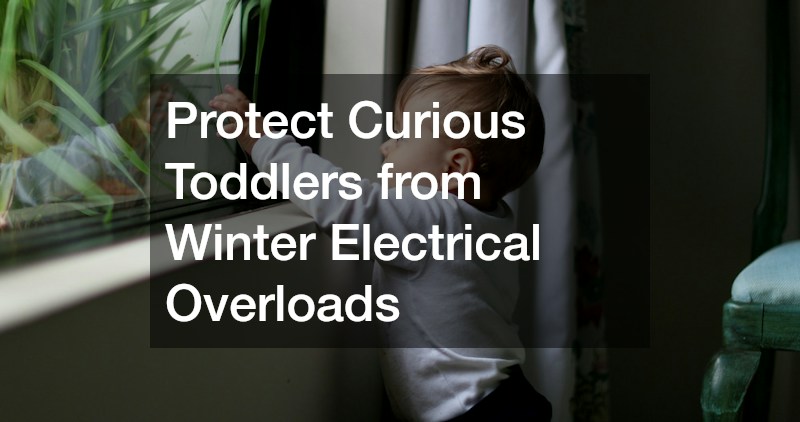
Winter living brings an influx of power-hungry appliances into family spaces, from portable space heaters and humidifiers to holiday light displays and electronic charging stations. This sudden surge in power consumption places heavy demands on residential wiring, circuits, and wall receptacles. For parents of crawling babies and active toddlers, loose cords, crowded power strips, and glowing heater coils present serious burn, shock, and tripping hazards. Establishing strict electrical safety practices in common play areas ensures your home stays cozy without introducing accidental fire hazards.
Portable space heaters should be used with extreme caution and never left unattended in a child’s bedroom or nursery. Modern units must feature automatic tip-over shutoff switches and overheat sensors, and they must always be plugged directly into a wall receptacle rather than an extension cord. Maintain a minimum three-foot clear safety zone around all portable heaters, marking the perimeter on playroom rugs with bright painter’s tape so toddlers recognize the boundary line.
- Inspect all seasonal cords, extension cables, and humidifier plugs for frayed insulation or loose prongs.
- Insert spring-loaded, childproof safety outlet covers into all unused electrical receptacles.
- Bundle loose floor wires inside heavy-duty cord management channels or route them securely along baseboards.
- Teach school-age children to unplug seasonal electronics by grasping the molded plug rather than pulling the flexible cord.
If your electrical panel exhibits buzzing noises, trips breakers frequently, or dates back several decades, modern family life may be outstripping your home’s capacity. Hiring a licensed electrician to inspect your breaker box, upgrade aging circuits, and install whole-home surge protection prevents hazardous overloads. These professionals can also replace standard outlets with tamper-resistant models that feature internal spring shutters, preventing curious toddlers from inserting foreign objects into dangerous contacts.
Organize High-Traffic Entryways and Manage Improvement Budgets
A chaotic, wet entryway is one of the most frustrating winter challenges for busy parents, posing immediate slip-and-fall hazards for children carrying heavy backpacks. When boots track in melting snow, street slush, and abrasive sidewalk salt, polished hardwood and tile surfaces turn slick. Designing a dedicated mudroom drop zone with designated cubbies, heavy-duty rubber boot trays, and low coat hooks gives children the structure to hang up snowsuits and stow wet gear neatly. Equipping the space with durable furniture that withstands heavy winter moisture ensures the entryway remains both functional and visually appealing.
To create warm, inviting entryway storage that stands up to rugged family use, many parents choose sustainable, high-character materials. Partnering with professional reclaimed wood services allows you to build custom, solid wood storage benches, backpack cubbies, and waterproof-sealed boot lockers using salvaged lumber with unmatched durability. Reclaimed timber has already weathered the elements, resisting the warping, swelling, and water staining that quickly ruins inexpensive composite particle board when exposed to damp winter outerwear.
- Place heavy-duty, water-absorbent floor mats both outside and directly inside every exterior entryway door.
- Assign a labeled canvas basket or wooden cubby to each family member for storing hats, gloves, and scarves.
- Keep an absorbent floor towel and a container of safe, pet-and-child ice melt right beside the doorway.
- Install low-level wall hooks so preschool and elementary children can hang up their own winter coats independently.
Investing in winterization upgrades, from structural envelope improvements to specialized mechanical equipment, requires sensible financial planning so family savings remain protected. Rather than placing significant home improvement costs on high-interest credit cards, smart parents explore low-rate home improvement financing through a local credit union. These member-owned financial cooperatives routinely offer competitive interest rates on home equity loans and energy efficiency lines of credit, allowing families to complete essential structural protections comfortably and affordably.
Creating Lasting Warmth and Peace of Mind for Your Family

Transforming a family home into a safe, warm winter retreat is an ongoing expression of parental care and craftsmanship. When parents systematically fortify the building envelope, maintain essential heating systems, childproof high-risk electrical and hearth areas, and organize high-traffic family zones, the home becomes a true sanctuary against winter’s harshest elements. Instead of worrying about sudden mechanical failures, drafty bedrooms, or unexpected water leaks during a blizzard, parents can focus their attention on what truly matters: making joyful memories with their children.
As cold winds swirl outside and frost blankets the windowpanes, there is immense satisfaction in knowing your household is thoroughly protected, secure, and running smoothly. By taking proactive measures today, you safeguard your children’s health, preserve your property’s value, and cultivate an inviting, organized living space. With thoughtful preparation and attention to detail, your home will remain a warm, house-proud haven where your family can relax, recharge, and embrace the magic of the winter season together.